
Allow panel movement
Metal expands and contracts as temperatures change. The attachment and flashing details need to accommodate that movement without opening joints.
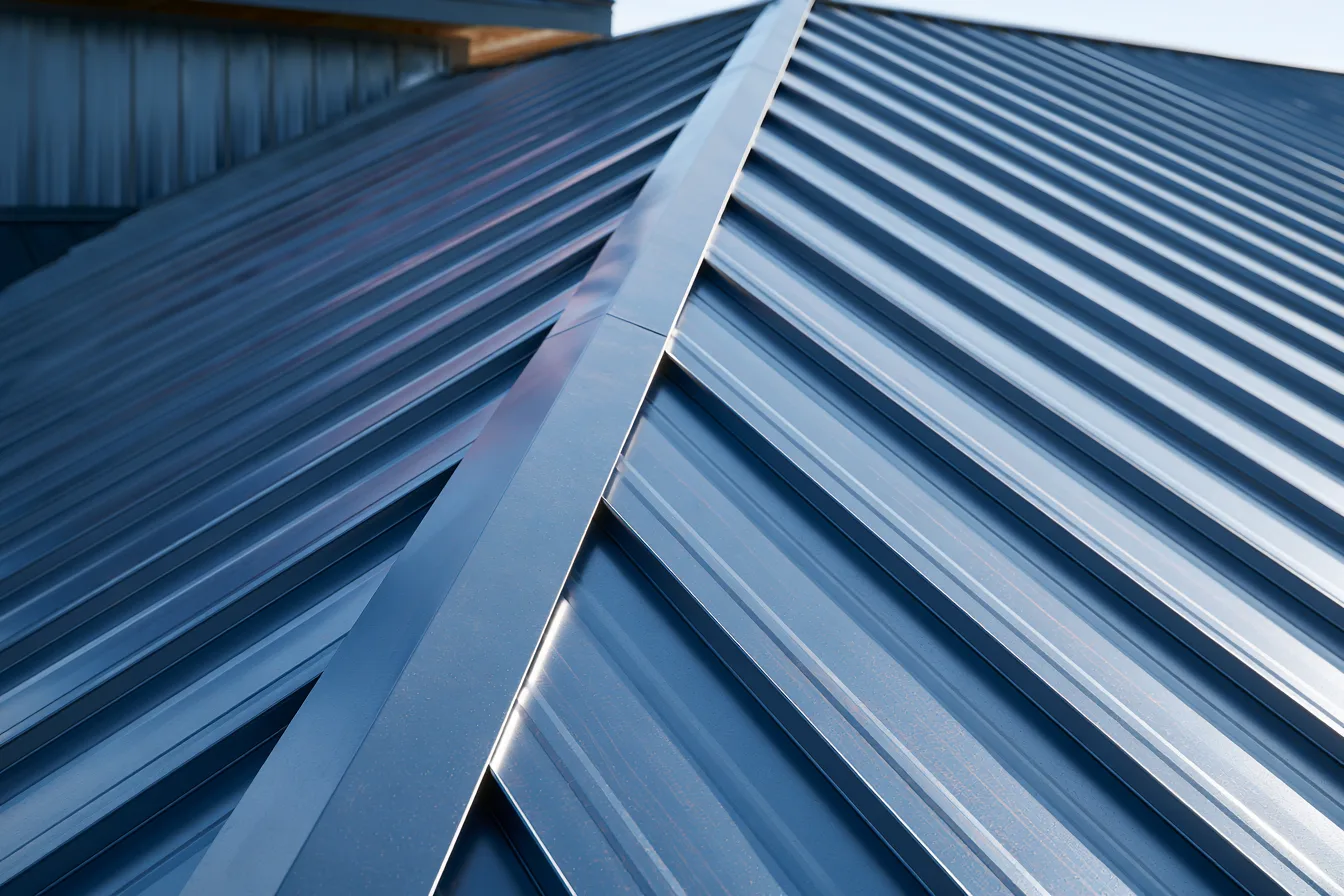
A metal roof changes both the look of the property and the details that keep water out. Panel selection starts with the building, roof shape and the connections the new system needs.
Free inspections. Roofing advice grounded in the roof’s condition.
Standing-seam panels use raised seams and concealed attachment arrangements. Exposed-fastener panels secure through the surface with the fastener and washer part of the weather detail. Both require the correct product, substrate and installation for the roof. Slope requirements, panel lengths and transition details are product-specific.
Plan the complete replacement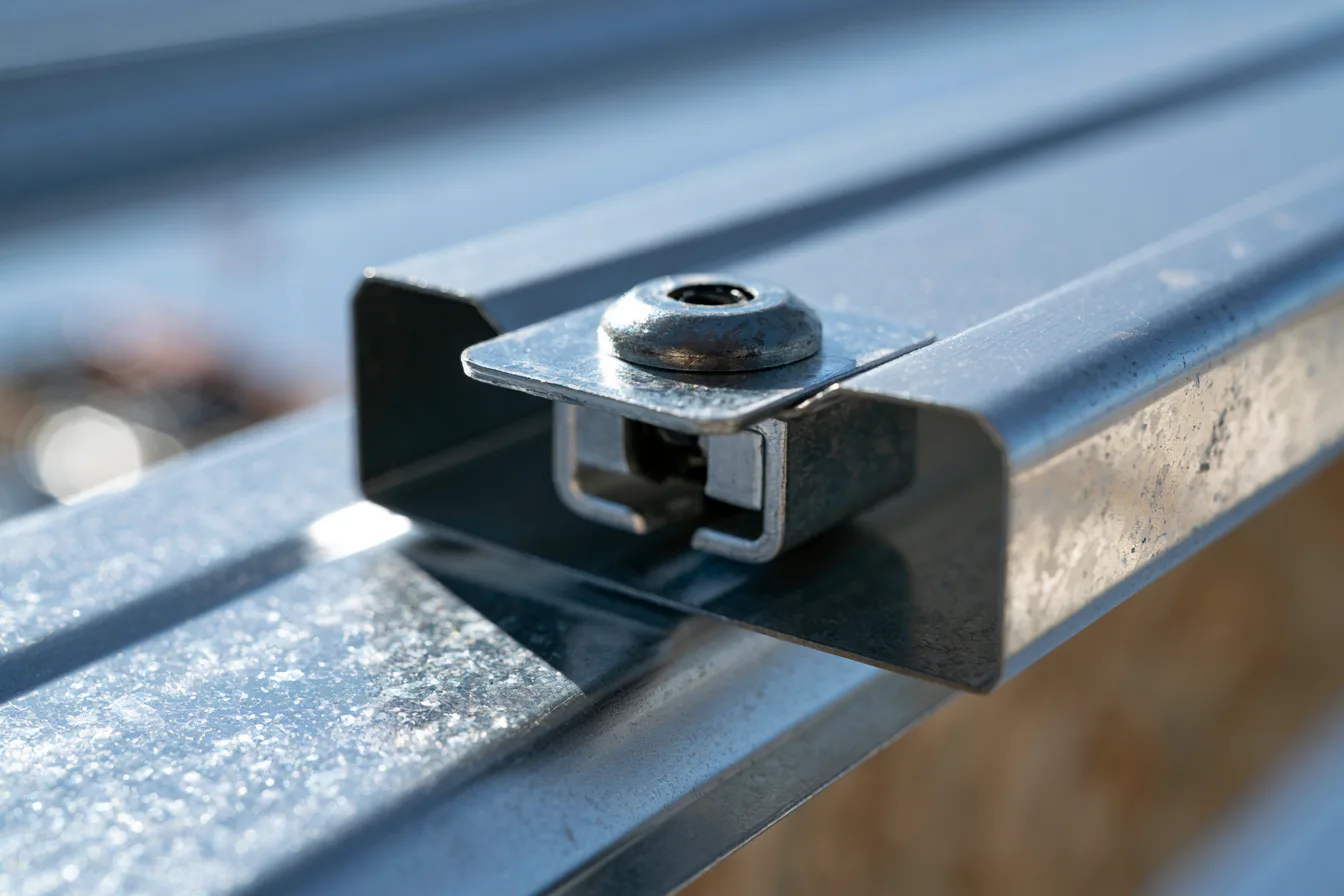
Metal expands and contracts as temperatures change. The attachment and flashing details need to accommodate that movement without opening joints.
Pipes, curbs, valleys and roof edges interrupt the panel surface and need compatible components. Condensation control also belongs in the assembly decision, alongside underlayment, insulation and ventilation appropriate to the building.
Loose or deteriorated fasteners, failed seal details and damaged flashing need inspection within the actual system. A surface seal over a moving joint may leave the underlying problem. Replacement can address broader attachment or substrate issues, with old materials and concealed damage included in the scope. Changing roof material also requires a suitable structure and compatible transitions.
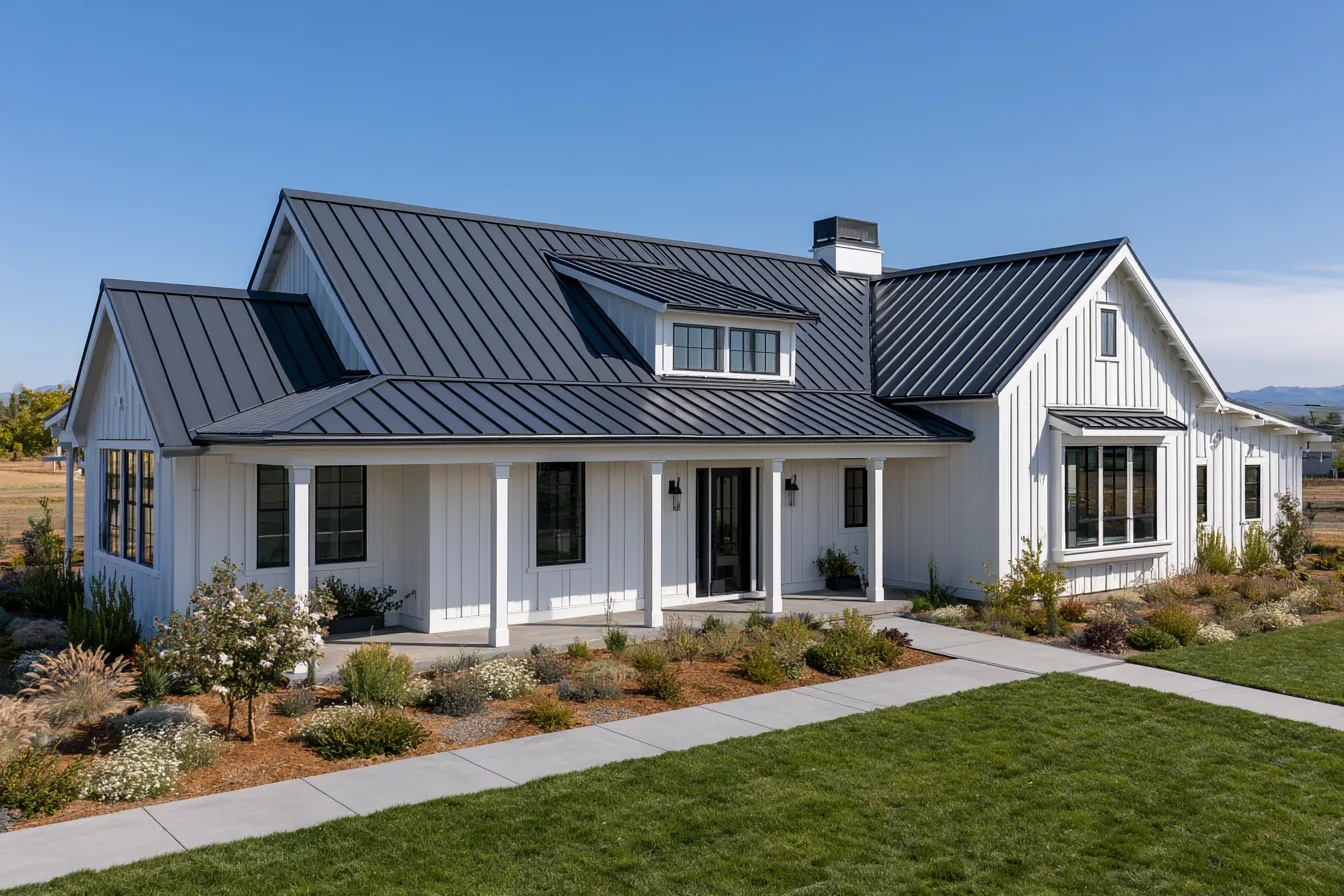
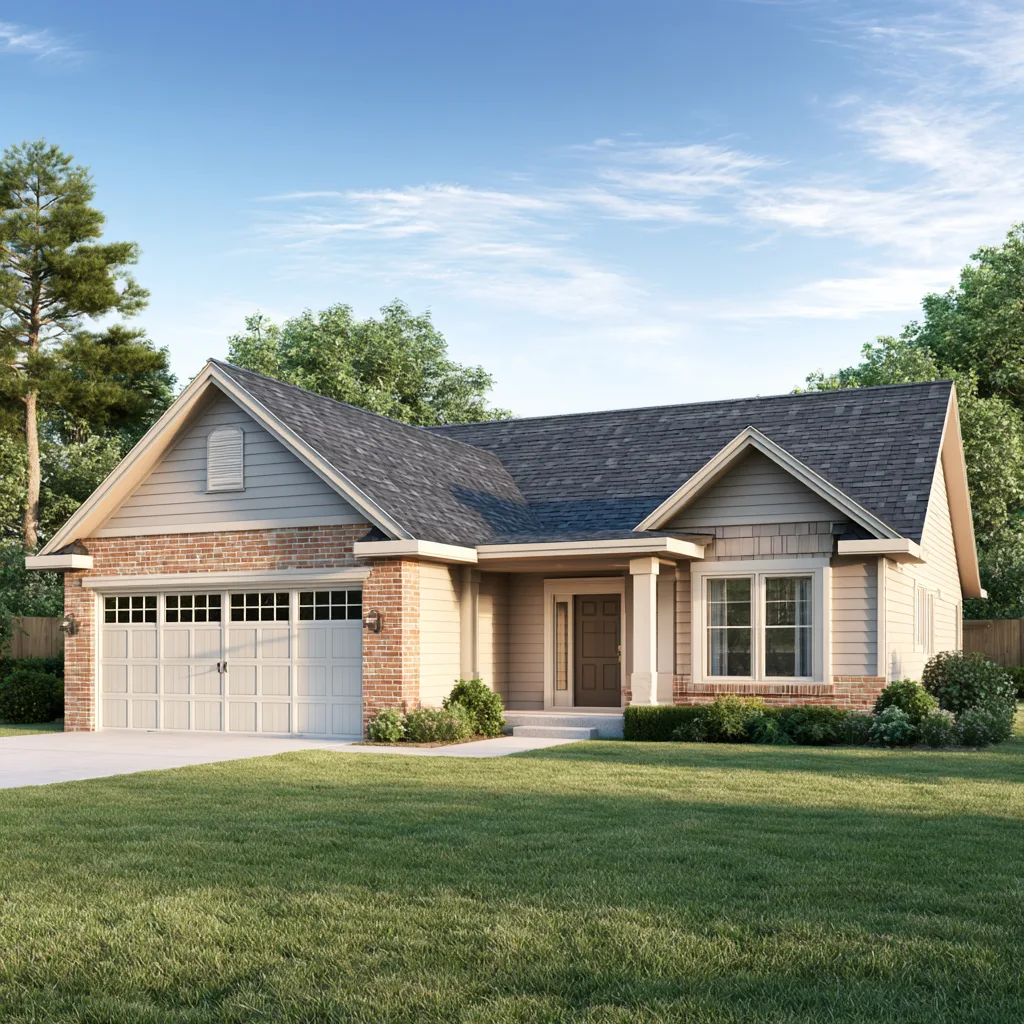
Panel system, metal specification, trim complexity, roof geometry, removal and access all affect cost. The architectural-asphalt calculator does not price a metal system.
A property-specific assessment helps establish the panel and detail requirements before a metal roof budget is meaningful.
Tell us where the property is and what you have noticed. A free inspection helps establish the roofing work that fits.
(913) 347-8445